
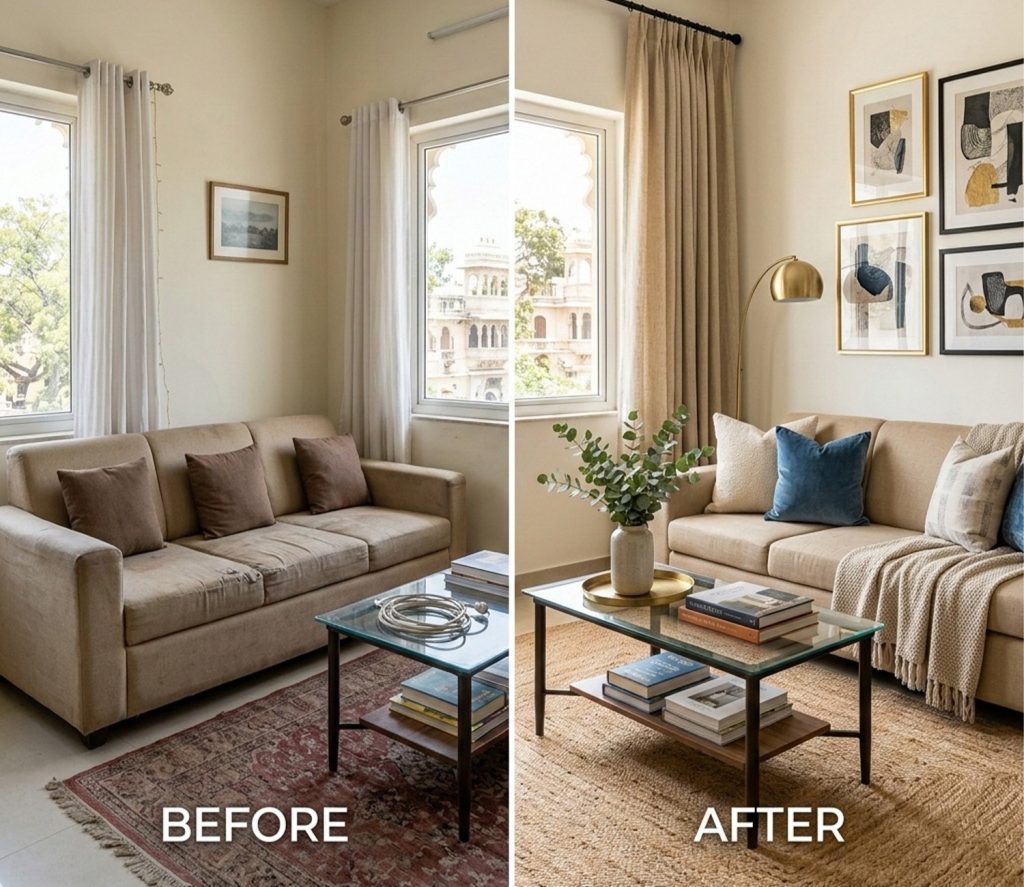
Transforming Living Spaces with Simple Design Updates
The living area is usually the space where most everyday life happens. People sit there after work, talk with family members, watch television, and welcome guests. Because this room is used so often, even a small change in its design can be noticed quickly.
Many homeowners assume that improving the living room means buying completely new furniture or doing a full makeover. In reality, that is rarely required. Sometimes a room just needs a few thoughtful updates to feel fresh again. Moving furniture slightly, adding a decorative element, or adjusting lighting can make the space feel different without much effort.
Simple functional items can also play a role. A well placed center table for living room seating makes everyday use more convenient and helps the seating area look balanced. In the same way, keeping the entrance organized with a neat shoe stand prevents clutter from entering the main living space.
When small details are handled carefully, the entire room begins to feel more comfortable and welcoming.
Rearranging Furniture for Better Space Flow
One of the easiest ways to change the feel of a living room is by adjusting the furniture layout. Many people arrange their furniture once and rarely move it again. Over time the arrangement may stop feeling practical, but it often goes unnoticed.
If the furniture is placed too close together, the room can feel cramped. If pieces are too far apart, the seating area may feel disconnected. Finding a comfortable balance helps the room feel open while still keeping the seating area cozy.
The center table for living room seating often becomes the middle point of the arrangement. When it sits at the right distance from sofas and chairs, it becomes easy to reach while still leaving enough room for people to walk around comfortably.
Another area that needs attention is the entrance to the room. When footwear gathers near the doorway, it can quickly make the space look messy. Placing a simple shoe stand near the entrance keeps things organized and prevents the clutter from spreading into the living room.
Sometimes a small shift in furniture placement is all it takes to make the room feel calmer and more spacious.
Updating Soft Furnishings and Decorative Textiles
Soft furnishings are often overlooked, but they influence the mood of a room more than people realize. Cushions, rugs, and curtains add color and texture that furniture alone cannot provide.
Changing these elements is also one of the simplest ways to refresh the space. A new set of cushion covers or a different rug can make the room look noticeably different. Even replacing heavy curtains with lighter ones can make the room feel brighter.
These items also make the living area feel warmer and more comfortable. A sofa surrounded by soft cushions and a well chosen rug immediately feels more inviting.
Decorative touches placed on the center table for living room seating can also support this look. A small plant, a few books, or a decorative tray can tie the colors of the room together.
Meanwhile, keeping the entrance area tidy with a shoe stand ensures that the rest of the room maintains its clean appearance. When everyday items are organized properly, the decorative details inside the living room stand out more.
Small textile updates can quietly change the entire atmosphere of the space.
Enhancing Walls with Artwork and Decorative Accents
Walls are often left plain even though they have the potential to change the entire character of a room. Adding a few carefully chosen decorative pieces can make the living area feel more complete.
Framed artwork is one option. It introduces color and personality into the space. Mirrors are another popular choice because they reflect light and help the room appear brighter.
Some people prefer creating a small gallery wall with several frames. Others choose one larger piece of artwork that becomes the focal point of the room. Both approaches can work well depending on the size of the space.
When the seating area is arranged around a center table for living room seating, wall décor placed behind the sofa can help define that space visually.

At the same time, practical organization near the entrance should not be ignored. A tidy shoe stand helps maintain a neat appearance so the decorative elements in the room receive the attention they deserve.
When walls are styled thoughtfully, the living room begins to feel more personal and expressive.
Improving Lighting for a More Inviting Atmosphere
Lighting has a strong effect on how comfortable a living room feels. A room that looks perfect during the day may feel dull in the evening if the lighting is not planned well.
Using more than one light source often works best. Ceiling lights provide general brightness, while table lamps or floor lamps create softer light for relaxing moments.
A lamp placed near the seating area can make evening conversations or reading more pleasant. Light reflecting gently across a center table for living room seating also adds a warm touch to the room.
Accent lighting can highlight artwork or decorative shelves. This draws attention to the features that make the space unique.
Lighting near the entrance area is also useful. A small light above a shoe stand makes the entry space easier to use while keeping it welcoming.
Good lighting does not have to be complicated. Even a small change can improve the overall atmosphere of the living room.
Creating a Fresh and Stylish Living Area with Minimal Effort
Improving a living room does not always require large investments or dramatic changes. Often the biggest difference comes from small thoughtful updates.
Rearranging furniture can improve movement and comfort. Updating soft furnishings can introduce new colors and textures. Wall décor can add personality, and better lighting can make the space feel warmer.
Practical additions also play a role in keeping the room organized. A well placed center table for living room seating adds convenience and balance to the layout. A simple shoe stand near the entrance keeps everyday clutter under control.
When these small changes come together, the living area begins to feel refreshed without needing a complete redesign. The space remains functional, comfortable, and pleasant for everyday life.
