
The expansion of digital technology has transformed global finance, enabling instant transactions, online banking, and borderless commerce. However, alongside these advancements, cybercriminal activity has also grown in scale and sophistication. In cybersecurity ultclub discussions, names like Ultclub often appear in the context of underground networks linked to financial crime on hidden parts of the internet. This raises an important question: what is Ultclub, and what can it tell us about dark web financial crime?
This article provides a cybersecurity-focused analysis of Ultclub as a concept frequently associated with illicit digital ecosystems, and it explains how such environments operate, the risks they create, and what users and organizations can learn from them.
Understanding Ultclub in Cybersecurity Context
Ultclub is a term that has been referenced in cybersecurity research and discussions involving underground digital marketplaces. These platforms are often analyzed due to their suspected involvement in the exchange of stolen financial data, compromised accounts, and other forms of cybercrime-related activity.
It is important to understand that in cybersecurity reporting, names like Ultclub are often part of a larger ecosystem rather than isolated systems. These ecosystems may change frequently, shift domains, or rebrand entirely to avoid detection. As a result, researchers tend to focus on behavioral patterns and operational methods rather than fixed definitions of a single platform.
The Role of the Dark Web in Financial Crime
To understand Ultclub’s relevance, it is necessary to examine how the dark web contributes to financial crime.
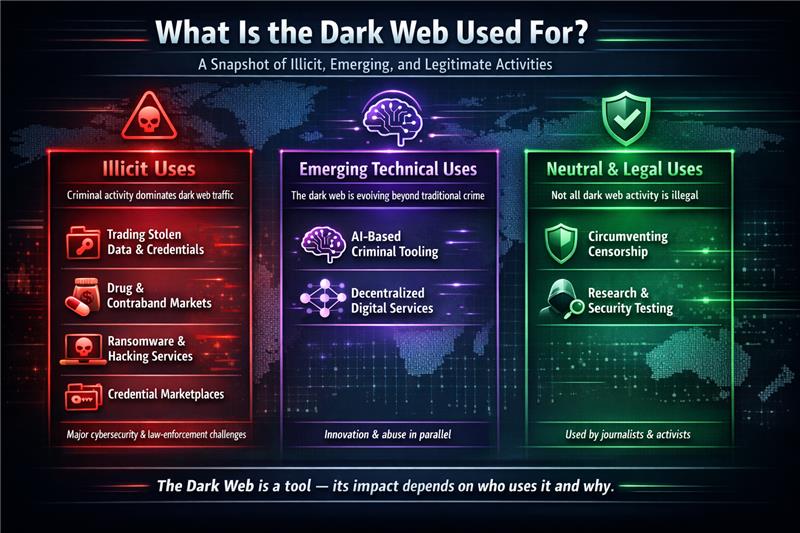
The dark web is a portion of the internet that requires specialized tools to access and is designed to provide anonymity to users. While it has legitimate uses, it is also known for hosting illegal marketplaces where cybercriminals trade stolen data and financial credentials.
Dark web financial crime typically includes:
- Stolen credit card information.
- Compromised online banking credentials.
- Fraudulent identity documents.
- Hacked payment accounts.
- Money laundering services.
- Fraud-as-a-service offerings.
Platforms associated with these activities often operate in secrecy and rely on encryption, anonymized communication channels, and cryptocurrency transactions.
How Financial Cybercrime Ecosystems Operate
Cybercriminal ecosystems linked to platforms like Ultclub often function in a structured and organized manner. Unlike early hacking groups that acted independently, modern cybercrime networks operate similarly to digital businesses.
Specialized Roles
Different participants in these ecosystems may have distinct roles, such as:
- Data thieves who obtain financial credentials.
- Malware developers who create tools for system compromise.
- Phishing operators who collect user information.
- Brokers who sell stolen data.
- Money launderers who move illicit funds.
This division of labor increases efficiency and scalability.
Underground Marketplaces
Cybercriminal marketplaces serve as hubs where illegal goods and services are exchanged. These may include ultclub.tm databases of stolen information, access to compromised systems, and tools designed for fraud.
Reputation systems are sometimes used to build trust among participants, even in illegal environments, showing how structured these ecosystems can become.
Common Financial Cybercrime Techniques
Understanding how financial cybercrime operates helps explain why platforms like Ultclub attract attention from cybersecurity researchers.
Phishing Attacks
Phishing remains one of the most common methods used to steal financial credentials. Attackers create fake websites or emails designed to trick users into entering sensitive information.
Credential Stuffing
Cybercriminals often use leaked usernames and passwords from one breach to attempt access to other accounts, taking advantage of password reuse.
Malware-Based Theft
Malicious software can be used to record keystrokes, steal banking data, or remotely control infected devices.
Social Engineering
Attackers manipulate individuals into revealing confidential information by exploiting trust, urgency, or fear.
Data Breaches
Large-scale breaches at companies can expose millions of financial records, which are later traded on underground platforms.
Risks Associated With Dark Web Financial Crime
The existence of ecosystems associated with Ultclub highlights several major cybersecurity risks.
Identity Theft
Stolen personal information can be used to impersonate victims, open fraudulent accounts, or commit financial fraud.
Financial Loss
Compromised banking or payment credentials can lead to direct monetary losses for individuals and businesses.
Long-Term Data Exposure
Once sensitive data is leaked online, it can remain accessible indefinitely and be reused in future attacks.
Business Disruption
Organizations targeted by financial cybercrime may experience operational downtime, reputational damage, and regulatory consequences.
Why Cybercriminal Networks Are Difficult to Eliminate
One of the biggest challenges in combating dark web financial crime is the resilience and adaptability of cybercriminal networks.
Anonymity Technologies
Cybercriminals use encryption tools, anonymized networks, and privacy-focused communication systems to hide their identities.
Constant Migration
When one platform is taken down, similar operations often reappear under different names or domains.
International Complexity
Cybercrime often spans multiple countries, making investigation and enforcement more complicated due to differing legal systems.
Cryptocurrency Usage
Digital currencies allow for relatively anonymous transactions, making financial tracking more difficult for investigators.
Cybersecurity Lessons From Ultclub-Style Ecosystems
Even though platforms like Ultclub are primarily discussed in investigative contexts, they offer valuable lessons for cybersecurity improvement.
Security Must Be Multi-Layered
No single security measure is enough. Effective protection requires multiple layers, including encryption, authentication, monitoring, and user education.
Human Error Is a Major Risk Factor
Many financial cyberattacks succeed because users unknowingly reveal sensitive information or fall for phishing scams.
Early Detection Is Critical
The faster suspicious activity is identified, the less damage it can cause.
Awareness Reduces Risk
Educated users are far less likely to become victims of social engineering or fraudulent schemes.
Protecting Against Financial Cybercrime
Individuals and organizations can reduce exposure to financial cybercrime through practical security measures.
For Individuals
- Use unique and strong passwords for financial accounts.
- Enable multi-factor authentication.
- Avoid clicking suspicious links in emails or messages.
- Regularly monitor bank and credit card statements.
- Use secure networks when accessing financial services.
- Keep devices updated with the latest security patches.
For Organizations
- Implement strict access controls for financial systems.
- Use encryption for sensitive data storage and transmission.
- Conduct regular cybersecurity training for employees.
- Monitor systems for unusual activity.
- Establish incident response plans for financial breaches.
The Role of Cybersecurity Research and Law Enforcement
Cybersecurity researchers and law enforcement agencies play a critical role in identifying and disrupting financial cybercrime networks.
Their efforts include:
- Tracking malicious infrastructure.
- Analyzing malware used for financial theft.
- Investigating phishing campaigns.
- Coordinating international operations against cybercriminal groups.
- Sharing threat intelligence with organizations.
While complete elimination of cybercrime is unlikely, these efforts significantly reduce its impact and improve global digital safety.
The Future of Financial Cybersecurity
As digital finance continues to grow, cybersecurity threats will also evolve. Emerging technologies such as artificial intelligence and automation are already being used by both defenders and attackers.
Future cybersecurity trends will likely include:
- AI-driven fraud detection systems.
- Behavioral authentication methods.
- Real-time transaction monitoring.
- Stronger global regulations on digital finance.
- Advanced encryption standards.
- Increased focus on zero-trust security models.
Staying ahead of cyber threats will require continuous innovation and collaboration across industries.
Conclusion
Ultclub, as referenced in cybersecurity discussions, represents more than a single platform—it symbolizes the broader issue of financial crime within hidden online ecosystems. While the specifics of such platforms may remain unclear or constantly changing, the risks they highlight are very real.
Financial cybercrime continues to evolve through phishing, malware, data breaches, and identity theft, often supported by underground digital networks. However, awareness, education, and strong cybersecurity practices remain powerful defenses.
By understanding how these ecosystems function and adopting proactive security measures, individuals and organizations can significantly reduce their exposure to financial cyber threats. Ultimately, cybersecurity is not just a technical issue but a shared responsibility in an increasingly digital financial world.
