
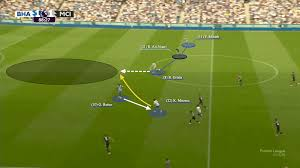
Aggressive pressing sides in the 2016/17 Bundesliga did more than just run hard; their tactical and structural choices reliably produced both dangerous chances and high corner counts over the season. Understanding how that pressure-first football translated into repeatable patterns of turnovers, shots, and set pieces offers a concrete way to frame pre‑match expectations for chance volume and corner totals rather than relying only on narratives about “intensity” or “energy.”
Why Intense Pressing Naturally Drives Chances and Corners
When a team presses with coordination, it deliberately shifts the location of duels and recoveries up the pitch, forcing opponents to make rushed decisions in their own half. Those hurried clearances and blocked passes tend to produce messy second balls, transition shots, and deflections near the penalty area, all of which translate into a higher baseline of attempts compared with deep‑block approaches. Because many of these hurried defensive actions end with the ball tipped behind or cleared into touch under pressure, the same mechanism that increases chance volume also raises corner counts, turning pressing philosophy into a statistical footprint you can track over an entire campaign.
What Made 2016/17 a Showcase for Pressing Football
The 2016/17 Bundesliga season coincided with the rise of coaches willing to build entire game models around structured pressing and fast transitions, rather than treating pressure as an occasional tool. Newly promoted RB Leipzig, for instance, used a narrow 4‑4‑2 out of possession, inviting opponents forward and then swarming central lanes to win the ball and attack vertically, while Hoffenheim under Julian Nagelsmann adopted flexible back‑three structures that combined pressing triggers with intelligent positional play. Against more traditional control‑oriented opponents, this approach produced matches with frequent turnovers in advanced zones and sustained pressure phases, which in turn inflated both shot and corner tallies relative to more passive tactical setups.
How Pressing Structures Turn Into Corners on the Data Level
The link between pressing and corners can be clarified by looking at the chain of events: pressure forces rushed clearances, which create broken defensive shapes, leading to quick entries into wide channels or shots from congested areas. Shots that are blocked or deflected close to goal often run behind for corners, and crosses whipped in under pressure are more likely to be sliced behind by defenders than calmly headed clear, further increasing corner frequency. Over time, teams that repeatedly impose these patterns accumulate higher averages of “shots for,” “shots blocked,” and “final-third recoveries,” and those metrics correlate with elevated corner counts—an effect that observers of high‑energy Bundesliga sides around 2016/17 repeatedly noted in match reports and tactical reviews.
Mechanisms: Pressing Triggers, Turnovers, and Set-Piece Volume
At a more granular level, pressing teams use specific triggers to launch coordinated pressure: backwards passes from full‑backs, slow horizontal circulation, or poor first touches by centre‑backs. Once those triggers activate, compact pressing distances ensure that the nearest players can contest the ball immediately, while deeper teammates squeeze space to cut off safe outlets, forcing the opponent to hit low‑percentage clearances. This orchestration ensures that many turnovers occur near the corner of the box or wide in the attacking third, where blocked crosses, deflected cut‑backs, and panicked interventions naturally turn into corners, meaning the quality of the pressing structure, not just raw running, drives sustainable set‑piece volume.
Table: Pressing Team Archetypes and Their Corner/Chance Profiles
Instead of focusing on individual clubs alone, it is more useful to describe archetypes of high‑pressing teams in 2016/17 and how those styles tended to show up in the numbers. Each archetype combines a distinct pressing idea with characteristic patterns in shots and corners that matter when you are thinking about markets tied to chance creation and set pieces.
| Archetype | Tactical traits 2016/17 | Chance profile | Corner profile |
| Central 4‑4‑2 press and vertical breaks | Narrow block, central traps, direct transitions | Many shots from fast attacks and cut‑backs | High corners from blocked crosses and shots |
| Hybrid press with back‑three build‑up | Pressing traps, wing‑backs high, structured possession | Mix of transition and positional chances | Regular corners from wide overloads |
| Wing‑oriented pressing side | Presses full‑backs, funnels play wide | Frequent wide entries and crossing chances | Elevated corners, especially from left/right |
| Situational high press, mid‑block base | Presses in bursts, otherwise mid‑block | Spiky shot clusters around pressing phases | Corners concentrated around those game states |
For 2016/17, RB Leipzig broadly fit the central 4‑4‑2 pressing archetype, while Hoffenheim under Nagelsmann tended toward a hybrid model that combined structured build‑up with pressing traps and wing‑back activity. Both patterns help explain why matches involving these teams frequently showed healthy shot counts and periods of sustained pressure that translated into above‑average corner numbers, even when possession splits were not overwhelmingly one‑sided.
List: Pre‑Match Checks to Find Pressing‑Driven Chance and Corner Spots
Before assuming a Bundesliga match in 2016/17 will feature high chance and corner volumes simply because one side presses, it helps to run through a structured checklist. Each step tests whether the opponent’s habits and the broader context will actually allow the pressing team to impose its game, or whether tactical and situational factors will blunt that pressure and cap the statistical upside.
- Confirm that the pressing team has consistently maintained a high or at least aggressive mid‑press over recent matches, rather than temporarily dropping into a lower block due to injuries or fatigue.
- Look at the opponent’s build‑up preferences: teams insisting on short passing from the back under pressure are more likely to be trapped; those already inclined to go long may bypass much of the press and reduce chaotic turnovers.
- Check how often each side recovers the ball in the final third and attacking half, using that as a proxy for how many high‑pressure scenarios typically occur in their games.
- Examine wide play patterns: if both sides attack heavily through the flanks, blocked crosses and defensive interventions near the byline are more likely, supporting elevated corner expectations.
- Factor in game-state incentives: if the pressing side needs a win and the opponent is comfortable with a draw, the underdog may sit even deeper, inviting waves of pressure and reinforcing both chance and corner volume.
When these checks line up—pressing side in form, opponent stubborn in short build‑up, wide areas heavily used, and strong incentive to attack—you have a much more robust basis for expecting a match to deliver both high chance creation and a healthy number of corners. Conversely, if an opponent goes long early, compresses space deep, or the pressing team rotates heavily, the game can drift away from the statistical pattern that usually justifies “high‑volume” assumptions.
Where UFABET Fits into a Pressing-Based Corner Strategy
In practice, turning these patterns into decisions requires a place to consistently apply and track them, and the main challenge is maintaining discipline once a few bets go against you despite the underlying logic. When bettors set out to exploit pressing‑driven chance and corner profiles using historical seasons like 2016/17, some chose to route all their pre‑match wagers through a single พนันบอล account, tagging each selection with a short tactical note—pressing versus slow build‑up, wing overloads, or expected territory dominance. Over time, reviewing that consolidated record inside the same online betting site allowed them to see whether the matches they rated as “pressing‑favourable” actually produced the extra corners and attempts they anticipated, and whether their stake sizing reflected the strength of their pre‑match checklist rather than emotional reactions to recent wins or losses.
Using casino online Contexts to Validate Corner and Chance Pricing
Even a strong pressing read does not guarantee value if the market has already priced in those stylistic factors, which is why comparing odds across multiple operators is essential. In 2016/17‑style matchups where you expected elevated corners and chance volume due to pressing dynamics, looking at how different bookmakers set total corners and shot‑related markets showed who was leaning hardest into the narrative of “high‑energy football.” By using one casino online environment as a reference point and setting its lines alongside others, analysts could spot when totals had been pushed so high that even an aggressive pressing game might struggle to reach them, or conversely when a cautious line underestimated the likely chaos. This comparison turned tactical insight into selective action instead of blanket backing of “over” markets in every match featuring a known press‑heavy side.
Where the Pressing–Corners Link Can Break Down
Despite the structural logic, there were clear failure cases where pressing sides did not produce the expected waves of chances and corners. Opponents who simply refused to build short, instead hitting direct balls into channels or onto target forwards, could defuse much of the pressing structure and shift the match into a series of second‑ball battles in midfield, where territory was more even and final‑third pressure less sustained. Similarly, if a pressing team took an early lead and chose to protect it by retreating into a more conservative block, the remainder of the game might feature fewer aggressive recoveries and a lower corner ceiling than pre‑match statistics alone implied, reminding bettors that tactical flexibility and game state can override baseline stylistic expectations.
Summary
The 2016/17 Bundesliga season showed that high‑pressing teams were not only aesthetically distinctive; they also left measurable signatures in chance creation and corner counts that could inform pre‑match decisions. By understanding how pressing structures produce turnovers, wide‑area attacks, and deflected efforts, and by classifying teams into clear archetypes, you can move from vague ideas about “intensity” to a structured view of when presses actually translate into elevated chances and set pieces. When those insights are combined with opponent tendencies, game‑state incentives, and sober price comparison, they form a practical basis for corner and goal‑related betting that is grounded in how matches are likely to unfold, rather than in highlight‑driven impressions alone.
