
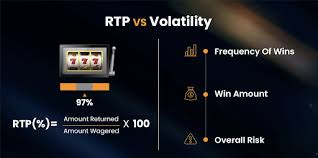
Understanding RTP and Its Role in Slot Games
Return to Player (RTP) is one of the most important metrics players consider when choosing a slot game. It represents the percentage of total wagers a game is expected to pay back to players over time. For example, a game with 96% RTP theoretically returns $96 for every $100 wagered. While this doesn’t guarantee short-term results, it provides a long-term expectation that shapes player decisions and strategies. When people search for games with better winning potential, they often look at rtp slot values to guide their choices, believing that higher percentages may offer better returns over extended play sessions.
Key Points About RTP Basics
- RTP is calculated over millions of spins, not individual sessions
- Higher RTP percentages suggest better long-term value
- It does not eliminate the role of randomness in gameplay
- Different providers may calculate RTP slightly differently
How RTP Influences Game Volatility and Risk
RTP alone doesn’t define how a slot behaves; volatility plays a critical role alongside it. Volatility refers to how frequently and how much a game pays out. A high RTP slot can still feel “cold” if it has high volatility, meaning wins are less frequent but potentially larger. Conversely, low volatility slots provide smaller but more consistent payouts. Understanding how RTP interacts with volatility helps players align their expectations and choose games that match their risk tolerance.
Relationship Between RTP and Volatility
- High RTP + high volatility = bigger but rarer wins
- High RTP + low volatility = frequent but smaller payouts
- Low RTP + high volatility = higher risk overall
- Balanced combinations appeal to casual players
The Psychological Impact of RTP on Players
RTP doesn’t just influence numbers—it also affects player psychology. Knowing a game has a higher RTP can create a sense of confidence and encourage longer play sessions. However, this perception can sometimes be misleading, as short-term outcomes remain unpredictable. Players may continue playing longer than intended, believing the game will eventually “balance out” in their favor due to its RTP percentage.
Psychological Factors Influenced by RTP
- Perceived fairness of the game
- Increased player confidence
- Tendency to chase expected returns
- Misunderstanding of short-term vs long-term results
Comparing RTP Across Different Slot Providers
Different game developers offer varying RTP ranges, and comparing these can help players make more informed decisions. Some providers are known for consistently offering higher RTP games, while others focus more on entertainment features like graphics and bonus rounds. While RTP is important, it should be evaluated alongside gameplay quality and overall experience.
What to Look for When Comparing RTP
- Provider reputation and transparency
- Availability of RTP information in game details
- Consistency across multiple titles
- Balance between RTP and entertainment features
RTP vs Bonus Features and Game Mechanics
Modern slot games are packed with bonus features such as free spins, multipliers, and expanding wilds. These elements can influence how RTP is distributed within the game. For instance, a large portion of RTP may be tied to bonus rounds rather than base gameplay. This means players might experience long dry spells before triggering a feature that significantly boosts their returns.
How Features Affect RTP Distribution
- Bonus rounds often carry a large share of RTP
- Base game payouts may appear lower
- Features can increase excitement and engagement
- Players need patience to unlock full RTP potential
Why RTP Matters in Identifying Slot Gacor Trends
The term slot gacor is often used by players to describe games that seem to pay out more frequently or generously. While RTP plays a role in this perception, it’s not the sole factor. A game with a high RTP might be labeled as such, but short-term variance can make even lower RTP games feel rewarding at times. Understanding this distinction helps players avoid relying solely on trends or myths.
Factors Behind “Gacor” Perception
- Recent winning streaks influencing player opinions
- Volatility creating clusters of wins
- Community discussions and shared experiences
- Misinterpretation of RTP as a guarantee
Strategies for Using RTP to Improve Gameplay Decisions
While RTP cannot guarantee wins, it can still be a valuable tool for making smarter decisions. Players who incorporate RTP into their strategy often focus on long-term value rather than short-term outcomes. Choosing games with higher RTP, setting budgets, and understanding volatility can all contribute to a more controlled and enjoyable gaming experience.
Practical Tips for Players
- Select games with RTP above 95% when possible
- Combine RTP knowledge with bankroll management
- Avoid chasing losses based on RTP expectations
- Test different games to find personal preferences
Comprehensive Conclusion on How RTP Shapes Slot Game Performance and Player Experience Over Time
RTP remains a foundational concept in understanding slot game performance, but it should never be viewed in isolation. Its true value lies in how it interacts with volatility, game mechanics, and player behavior. While a higher RTP can indicate better long-term returns, it does not eliminate risk or guarantee success in individual sessions. Players who approach slot games with a balanced perspective—considering RTP alongside entertainment value and responsible gaming practices—are more likely to enjoy a sustainable experience. Ultimately, RTP serves as a guide rather than a promise, helping players navigate the complex dynamics of modern slot gaming while maintaining realistic expectations and informed decision-making.
Final Takeaways
- RTP is a long-term indicator, not a short-term predictor
- Game experience depends on multiple combined factors
- Responsible play is more important than chasing percentages
- Knowledge of RTP empowers better decision-making
