
We often think of stress as something that happens in our heads—a racing mind, a sense of overwhelm, or that feeling of being “on edge.” But stress is just as physical as it is mental. When you’re under pressure, your body shifts into fight-or-flight mode. Your heart beats faster, your muscles tense up, and your system floods with cortisol.
While this response was critical for our ancestors running from predators, modern life triggers it constantly. Traffic jams, deadlines, and endless notifications keep our nervous systems in a state of chronic high alert. Over time, this constant hum of tension leads to inflammation, poor sleep, and fatigue. We forget what it feels like to be truly relaxed.
Getting Back to Ground Zero
One of the simplest ways to counteract this modern tension is something humans did naturally for thousands of years: Earthing.
Also known as grounding, Earthing is the practice of physically connecting with the Earth’s surface. Think of the feeling of walking barefoot on wet grass or sand. That immediate sense of relief isn’t just psychological; it’s an energetic exchange. The Earth carries a subtle negative electrical charge. When we make direct contact with it, we absorb electrons that help neutralize the free radicals in our bodies—essentially hitting a reset button on our nervous system.
But let’s be realistic. Most of us don’t have the luxury of spending hours walking barefoot in a park every day. We live in high-rises, work in offices, and wear rubber-soled shoes that block this natural connection.
Bringing the Outdoors In
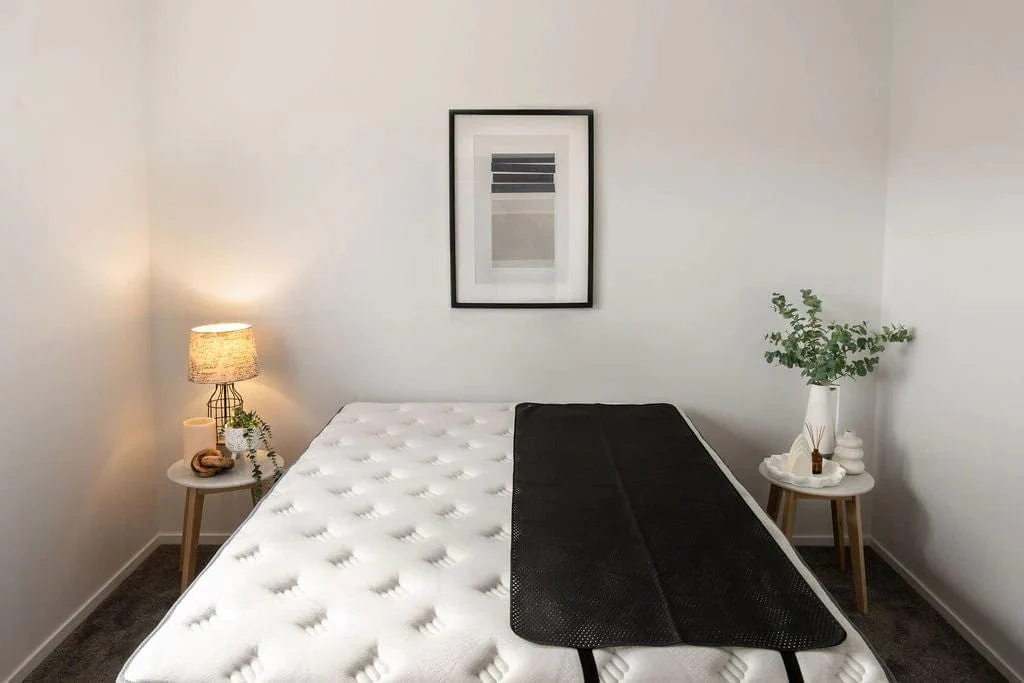
This is where technology can actually help us reconnect with nature. An Earthing Mat is designed to replicate that physical connection to the ground while you’re indoors. These mats are conductive and plug into the ground port of your electrical outlet (which connects to the literal ground rod outside your home).
By sitting or standing on an Earthing Mat while you work, watch TV, or sleep, you can experience the benefits of grounding without changing your routine. It’s a way to dampen the noise of modern life and let your body discharge that built-up electrical stress.
The Science of Calm
It might sound too simple to be true, but science backs it up. Research indicates that grounding can significantly lower cortisol levels—the primary stress hormone. When cortisol is unregulated, it wreaks havoc on sleep cycles and immune function.
Studies show that grounding helps realign cortisol secretion with the natural 24-hour circadian rhythm. Instead of spiking at night (keeping you awake) or dropping in the morning (making you groggy), your body finds its natural balance. Users often report deeper sleep, reduced pain, and a noticeable shift from a sympathetic (stressed) state to a parasympathetic (relaxed) state.
Practical Ways to Ground Yourself
Integrating grounding into a busy schedule doesn’t have to be a chore. Here are a few ways to find your balance:
- The Morning Reset: Use an Earthing Mat under your desk while you check your morning emails. It sets a calm tone for the rest of the day.
- Lunch Break Escape: If you can, step outside and touch a tree or walk on the grass for ten minutes. Nature is the original stress reliever.
- Evening Wind-Down: Place a mat at the foot of your chair while reading or watching a movie in the evening to help your body prepare for sleep.
Reclaiming Your Natural Rhythm
In a world that demands we go faster and do more, slowing down to connect with the ground offers a quiet rebellion. It’s a reminder that we aren’t machines designed to run indefinitely without a break. We are biological beings that need connection to the planet we live on.
Whether you make time for a barefoot walk or invest in tools to help you ground indoors, prioritizing this connection is a powerful step toward long-term health. By reducing the physical noise of stress, you give your body the space it needs to heal, recover, and truly relax.
